
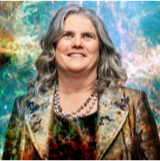
Andrea Ghez
Physics, 2020
Lauren B. Leichtman and Arthur E. Levine Professor of Astrophysics, joined faculty 1994
Our faculty lead the way in numerous scholarly pursuits and have been recognized with the highest honors and memberships. The following is evidence of their dedication to the development of ideas and inventions that improve lives.
Faculty awards and honors exist to highlight exceptional contributions made to the field, by our very own. They are conferred at all levels of the university system. For their bold explorations and inspired collaborations, the faculty, alumni, postdocs and trustees of our University have received top honors nationwide and internationally.
Beyond their professional pursuits, faculty are scholars and mentors committed to helping students become purpose-driven servants who can make a positive impact on society. We are grateful to call these faculty members who embody this commitment at the university, Bruins.
Physics, 2020
Lauren B. Leichtman and Arthur E. Levine Professor of Astrophysics, joined faculty 1994
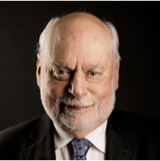
Chemistry, 2016
Chemistry and Biochemistry faculty, 1997 to 2008
Photo Credit: Nobel Media AB 2016/Alexander Mahmoud
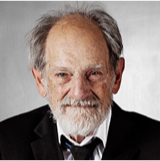
Economic Sciences, 2012
Economics and Mathematics faculty, joined 1981
© The Nobel Foundation. Photo Credit: U. Montan
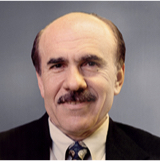
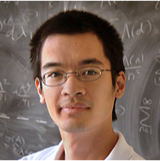

Legal Scholar
UCLA School of Law faculty 2014-2024
Photo Credit: MacArthur Foundation

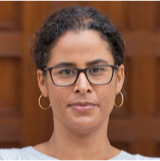
Hydroclimatologist, 2023
Department of Geography, joined faculty 2021
Photo Credit: MacArthur Foundation

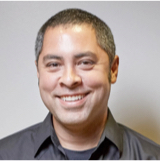
Internet Studies and Digital Media Scholar, 2021
Gender Studies and African American Studies, joined faculty 2014
Photo Credit: John D. and Catherine T. MacArthur Foundation
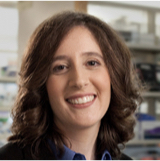
Neurobiologist, 2012
Microbiology, Immunology and Molecular Genetics, joined faculty 2011


Engineering, 1996
Physics and Astronomy, Electrical Engineering, joined faculty 1992

This listing includes UCLA faculty, emeriti and administration. We make every effort to keep these listings current and accurate. Last updated August 2021.