
Projecting the future of fire and drought under climate change
Severe wildfires are burning 30 times as many acres of forest as 40 years ago. California’s wildfire season has gotten longer. The western U.S. is experiencing its driest megadrought in 1,200 years.
These findings, from research teams led by or including UCLA climate scientist Park Williams, not only warn of the ravages of climate change but also guide the public on how to reduce the harm. The MacArthur Fellowship winner has spent years translating complex climate signals into knowledge that the public can act upon.
 Library of Congress
During the 2025 Los Angeles fires, when political blame and policy decisions were already outpacing information about what caused the still-burning flames, Williams was part of the research team that estimated the role of climate change. The flames were fueled in part by extreme vegetation dryness, and the scientists found that a quarter of that dryness was attributable to the human-caused climate crisis. The research provided crucial guidance to news media about the complex array of factors behind the fires, and made it possible for policies aimed at preventing urban fires to point to the role of climate change.
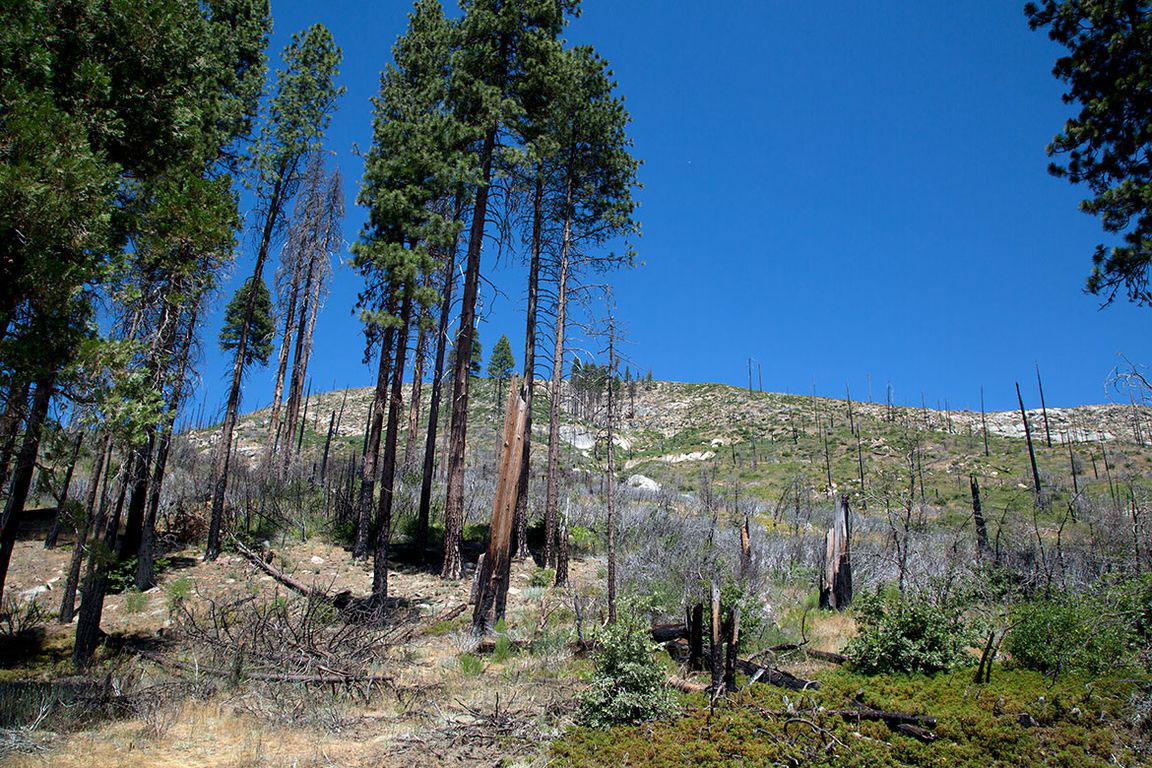
William’s latest federally supported research, showing a thirty-fold increase in forest-killing fire in California, likewise revealed a strong link to climate-change-related dryness. The research also found that fires were worst in forests with the most biomass, suggesting that overgrown, under-managed forests are most at risk. The new research recommended increased forest management, including more prescribed burns.
“These high-severity, forest-replacing fires used to be uncommon, and now it’s the dominant fire type,” said Williams, a professor of geography and atmospheric sciences. “Fire is a natural process that can be healthy for ecosystems, but most of California’s tree species have a difficult time coming back following fires that kill huge swaths of trees.”
Williams explores how human-driven climate change alters the water cycle and ecosystems through extremes like heat waves, wildfires, droughts and floods. His colleagues describe his work as foundational to linking greenhouse gases to extremes like drought and fire.
“My work builds off of the advances of many, many others ahead of me who discovered that the Earth is covered in clues about how past climate changes have played out and what the consequences have been,” he said when he won the MacArthur. “My group is small, but we’re part of a very large society of scientists who are trying to develop the tools and knowledge base now to understand how climate change is going to affect life and humanity globally because of changes in water availability.”