
The fight to finally cure HIV
Imagine a world where HIV could be permanently eliminated from the body — not just managed, but cured. That's the vision driving UCLA researcher Jerome Zack, who has pioneered innovative approaches to eradicating the virus that has claimed an estimated 44 million lives since the epidemic began in the 1980s.
HIV remains a formidable opponent because it’s a master of disguise. While antiretroviral drugs can now keep people with HIV healthy, they don't eliminate the virus, which hides dormant inside cells, waiting to rebound the moment treatment stops. This persistent reservoir has been a major bottleneck in the field, says Zack, a distinguished professor of microbiology, immunology and molecular genetics.
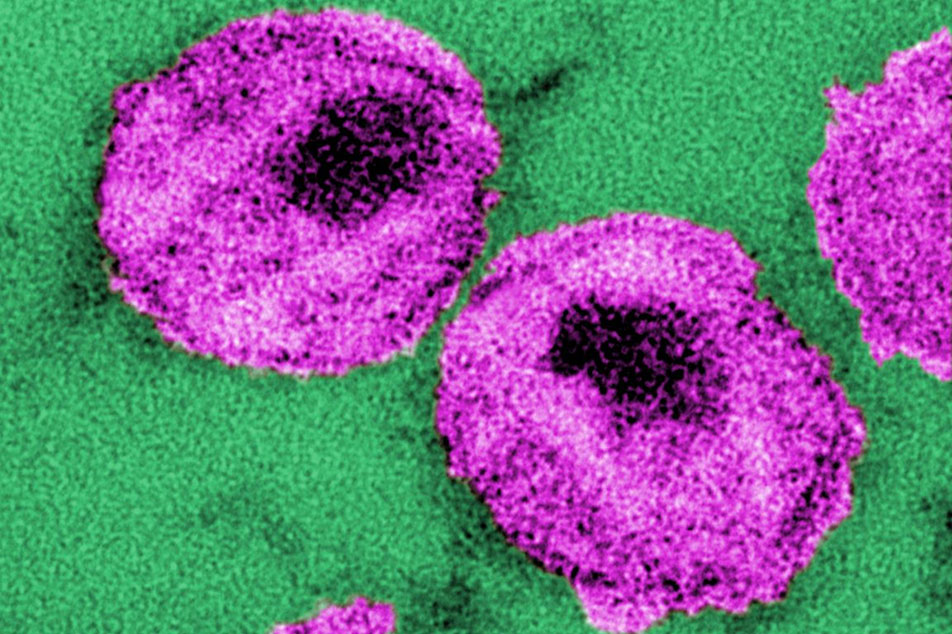
Zack and his team are attacking the problem from two fronts. The first approach focuses on engineering natural killer cells — immune cells designed to destroy infected cells — from stem cells. Once infused into a patient’s bloodstream, these cellular assassins would seek out and eliminate HIV-infected cells throughout the body.
The second strategy, called “kick and kill,” tackles the dormant virus directly. The technique lures hidden HIV out of hiding while patients remain on medication. When the dormant virus “wakes up” and begins producing viral proteins, it inadvertently triggers its own destruction — either the immune system kills the infected cell, or the virus does the job itself. Recent studies in mouse models have shown promising results, and the team is now working toward human applications.
With funding from the National Institutes of Health, the UCLA-Charles R. Drew University of Medicine and Science Center for AIDS Research establishes and expands community partnerships across Los Angeles and globally in regions most severely impacted by HIV.
For Zack, the center’s co-director, the work remains deeply personal. When the HIV epidemic emerged during his doctoral studies in immunology, he was already working in a lab that studied retroviruses. “I realized that this new, dangerous virus killing thousands of people was at the intersection of everything I was working on,” he says. “I felt strongly that if I was going to spend most of my life in a lab, I should be working to solve an important problem.”
Four decades later, that conviction hasn’t wavered. With 40 million people worldwide still living with HIV and more than 1 million newly infected in 2024 alone, Zack believes stable funding is the key to turning scientific progress into a cure.
“Science is an iterative process,” he says. “The best shot we have to eradicate the virus is to fund multiple approaches. We’re getting closer, but without sustained federal investment, we risk losing the momentum of decades of progress — and with it, countless lives.”