
Improving lives for people exposed to trauma
UCLA researchers are finding new treatments to ease the physical ailments caused by post-traumatic stress disorder. Their studies show that addressing the mental effects of trauma early on may help reduce risk of one such PTSD-linked complication: cardiovascular disease.

“The majority of people will undergo a traumatic event at least once in their lifetime,” said UCLA clinical psychologist Dr. Jennifer Sumner. “Our goal is to improve the lives of people who experience trauma.”
From car accidents to combat, trauma comes in many forms. It can start with physical pain, such as from an assault or injury, or from mental pain, such as fear during a natural disaster or grief from the unexpected death of a loved one. And for some, their initial reactions – nightmares, jumpiness, intrusive thoughts about the trauma – don’t ease up without treatment.
“When those feelings don’t go away after more than a month, it becomes PTSD,” Sumner said. “Many of the common ways of coping, such as ignoring it, end up backfiring and making the experience worse.”
Research shows that when PTSD develops, the risk of cardiovascular disease goes up, with studies finding a 50%-60% increased risk of developing coronary heart disease. The Sumner Stress Lab has shown that providing therapy can reduce the chance of developing cardiovascular disease, such as strokes, heart attacks or the narrowed arteries of coronary heart disease.
Sumner’s research has looked at the general population, but also specific groups who have often been understudied and yet carry unique risks for mental and cardiovascular health after trauma. For example, in a large sample of women veterans, Sumner’s lab found that antidepressants reduced the onset of cardiovascular disease, especially in patients who had PTSD, anxiety and/or depression.
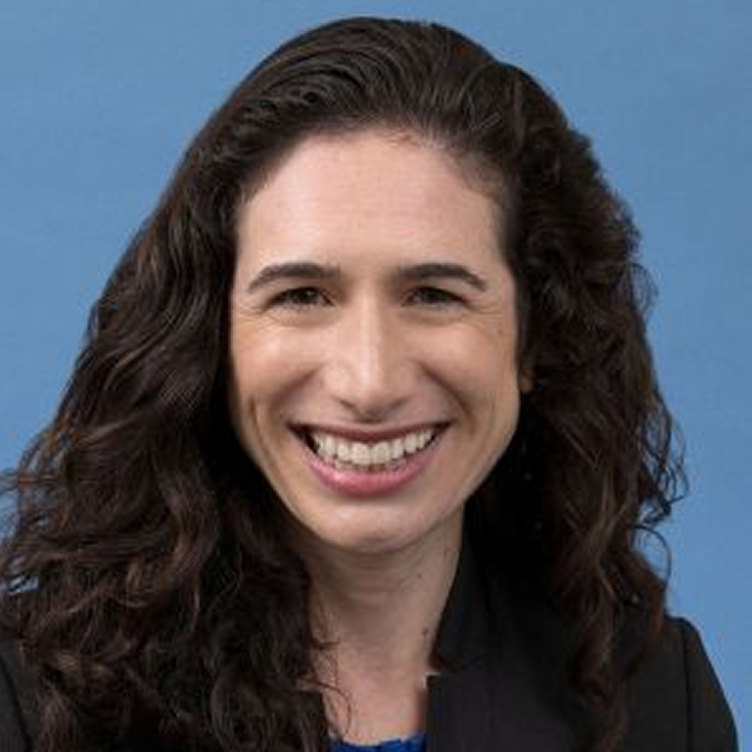
Because PTSD is such a widespread reaction to trauma, and so many people experience some form of trauma, her work can help hundreds of thousands of people nationwide. Sumner’s research, including a new veteran study now underway, has been supported by multiple competitive federal grants from the National Institutes of Health in the decade since she received her first postdoctoral grant from NIH.
“The funding we receive from taxpayers means we have a responsibility to create this knowledge and improve the health of the public at large,” Sumner said. “I do a lot of community-based outreach to share the impacts of trauma on both mental and cardiovascular health, and to share how these findings can inform healthcare. Doctors can be on the lookout with more targeted screenings to reduce the risk of cardiovascular disease.”
More studies are needed to better pinpoint why trauma increases the risk of cardiovascular disease, and to more thoroughly understand which treatments provide the best benefits for people in different situations or from different backgrounds, Sumner said. She’s confident that more research will expand knowledge, improve healthcare and improve lives.