
How a UCLA professor and his students are challenging the reporting of in-custody deaths
A UCLA professor is leading an effort to seek accountability for people who die in police custody and during police encounters.
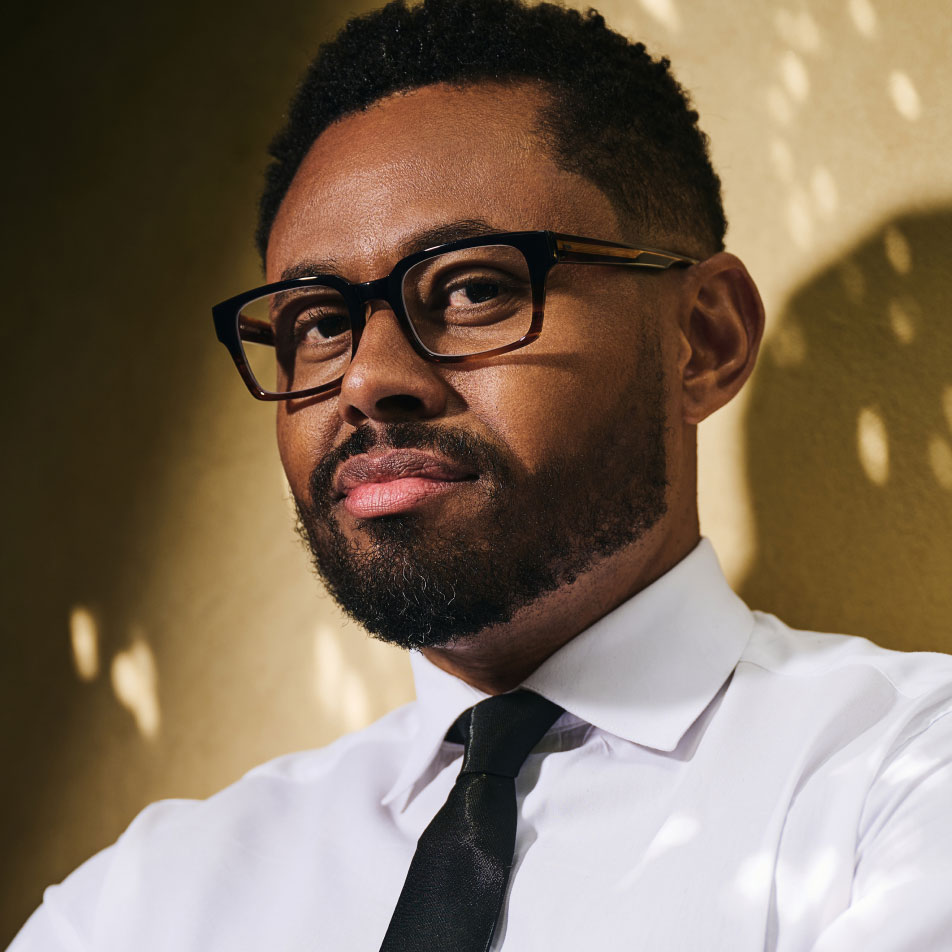
Terence Keel is a UCLA professor of human biology and society and of African American studies. Drawing on his knowledge as a historian of science and medicine, as well as his understanding of critical forensic analysis, Keel and his team of student researchers help families evaluate autopsy reports and related records for incomplete information, inconsistencies and contradictions. His research group, the BioCritical Studies Lab, has become an emerging authority on lethal police violence in the U.S. and how discrimination, inequality, and resilience are embodied in vulnerable populations.
In the lab, Keel guides students in examining police records, laws and public health studies and in working with victims’ families.
“Students have the voice and the skill set and, quite frankly, the expertise to analyze these autopsy documents,” said Keel, one of the 2024 recipients of UCLA’s Public Impact Research Awards.
Keel is the principal investigator of the Coroner Report Project, one of the lab’s primary initiatives. The project aims to document the failures of coroners and death investigators in telling the full story about Americans who lose their lives in jail and during arrest.
Inspired by personal stories from advocates and the work of grassroots organizations, Keel and his team produced several reports that identify alarming patterns in how in-custody deaths are investigated. Their research involved collecting and verifying a list of more than 32,000 law enforcement-related deaths and reviewing autopsy reports and records that raised questions about medical documents and lost evidence.
His research has demonstrated how law enforcement agencies have influenced coroner reports that involve unexplained injuries, conflicting accounts of locations and unverified claims of mental illness. Although Black and Latino men are disproportionately affected, the problem extends to all parts of the population.
“Every segment of our society is dying in police custody,” Keel said.
The project’s findings have become the foundation of Keel’s most recent book, “The Coroner’s Silence: Death Records and the Hidden Victims of Police Violence.” The book, which was funded in part by a grant from the National Institutes of Health, follows the history of the death investigation system in the U.S. and explores inequities within the criminal justice system.
Projects like this give students a voice in confronting systemic injustice, making funding even more critical. The pioneering work of Keel and fellow scholars is shedding light on the need for greater transparency and reform in the criminal justice system, creating safer practices for all.